
Is a 90-Day Warranty Enough for a Refurbished Phone?

A 90-day warranty is generally considered the minimum standard, not a full guarantee of long-term coverage. It’s genuinely fine if the seller documents its inspection process, discloses cosmetic grading, and has a track record of standing behind claims. It’s not enough on its own for an older device, a flagship phone, or anything you plan to keep for three-plus years unless battery replacement is already part of the deal.
Here’s what should be true before you accept 90 days as sufficient:
- The seller publishes a documented inspection checklist, not just a “tested and working” label.
- Cosmetic grading is disclosed upfront, so you know what “good condition” actually means.
- The return and warranty terms are written in plain language, with no vague “case by case” clauses.
- Battery health or replacement policy is stated, not left for you to discover after the fact.
If those four boxes check out, move to the evaluation checklist below before you buy.
Table of Contents
- What a 90 Day Warranty Refurbished Purchase Actually Covers
- How Does a 90-Day Warranty Compare to a 12-Month Manufacturer Warranty?
- Checklist: How to Evaluate a Listing Before You Buy
- What Will You Pay After the Warranty Ends?
- Why Device Giant’s 90-Day Warranty Actually Holds Up
- A Buyer’s-Eye View on the 90-Day Standard
- Should You Buy That Refurbished Phone With a 90-Day Warranty?
- Sources
What a 90 Day Warranty Refurbished Purchase Actually Covers
Most 90-day refurbished warranties protect against functional defects, not everything that could go wrong with a used phone. If the screen, battery, charging port, cameras, or speakers fail through no fault of yours, the seller typically owes you a repair, a replacement unit, or a refund. That’s the baseline consumer protection you’re buying when you accept a shorter warranty window in exchange for a lower price.
What usually falls outside that coverage matters just as much:
- Cosmetic damage. Scratches, dents, or discoloration that show up after delivery are your problem unless the item didn’t match its listed grade.
- Water damage. Even devices with some water resistance often lose warranty coverage the moment moisture is the diagnosed cause of failure.
- User-caused issues. Drops, cracked screens from mishandling, or software damage from jailbreaking void most refurbished warranties instantly.
- Unauthorized repairs. Opening the device or having a third party fix it before contacting the seller typically cancels remaining coverage.
- Loss or theft. No consumer electronics warranty, refurbished or new, covers a phone that’s simply gone.
One distinction trips up a lot of first-time refurbished buyers: the return window and the warranty period are not the same protection, as explained in this clear refund and returns policy example. A return window, often 14 to 30 days, exists for buyer’s remorse or a device that doesn’t fit your needs. The warranty kicks in for defects that surface later, sometimes weeks after you’ve already decided to keep the phone. Verifying both numbers separately before checkout is one of the simplest ways to avoid a nasty surprise in month two.
How Does a 90-Day Warranty Compare to a 12-Month Manufacturer Warranty?
Manufacturer certified refurbished programs from companies like Apple, Samsung, and Google typically offer warranties longer than ninety days, often including new batteries or outer shells. Google’s own refurbished policy, for example, warranties Google Store refurbished products for a full year, while replacement units issued under warranty claims may carry a separate 90-day term from the purchase date. That’s a useful reference point: even inside “premium” refurbished programs, 90 days shows up as the shorter, secondary tier.
Third-party 90-day warranties, the kind you’ll see across most independent refurbished retailers, sit at the market’s minimum acceptable standard. Industry guidance treats a 90-day warranty as the baseline, with a full year considered the higher-confidence standard for buyers who want fewer surprises. The trade-off is straightforward:
- Twelve-month coverage costs more upfront but usually includes battery replacement, genuine parts, and a longer safety net for hardware that fails after the honeymoon period.
- Ninety-day coverage costs less and works well for functional, well-graded devices, but rarely includes a fresh battery or manufacturer-grade parts.
Consumer Reports has noted that major manufacturers typically offer a full one-year warranty on certified refurbished stock, while many independent sellers set 90 days as their starting point. The premium for longer coverage makes the most sense on higher-value devices, phones already a few years old, or anything you’re buying to keep for the long haul rather than resell in a year.
Checklist: How to Evaluate a Listing Before You Buy
Run through this before you click “buy now.” It takes about five minutes and it’s the difference between a smart purchase and a returns-department headache.
Confirm the inspection process.
- Does the listing name a specific checklist (not just “fully tested”)?
- Ask directly whether batteries are replaced under a stated capacity threshold, commonly somewhere around 80 to 85%. A seller who can’t answer this question hasn’t standardized their process.
- Look for a stated cosmetic grade (A through D, or similar), not a vague condition description.
Read the actual warranty terms.
- Who pays return shipping if a defect shows up: you or the seller?
- What counts as proof of the defect: a video, a diagnostic report, a support ticket?
- Is there a restocking fee buried in the RMA process? Some refurbishers charge one even on legitimate warranty claims.
- Is the warranty transferable if you resell or gift the phone later?
Verify the device itself.
- Check the IMEI or ESN against a carrier compatibility tool before you pay, not after.
- Confirm which accessories are included; a charger and cable missing from the box is common and worth knowing in advance.
Check seller reputation.
- Look for independent reviews and marketplace feedback scores, not just testimonials on the seller’s own site.
- Search for real examples of the seller honoring warranty claims. A pattern of ignored support tickets is a bigger red flag than a single bad review.
Pro Tip: Screenshot the warranty language and save your order confirmation the day you buy. Sellers occasionally update their policy pages, and having your own copy of the terms that applied at purchase protects you if a dispute ever comes up.
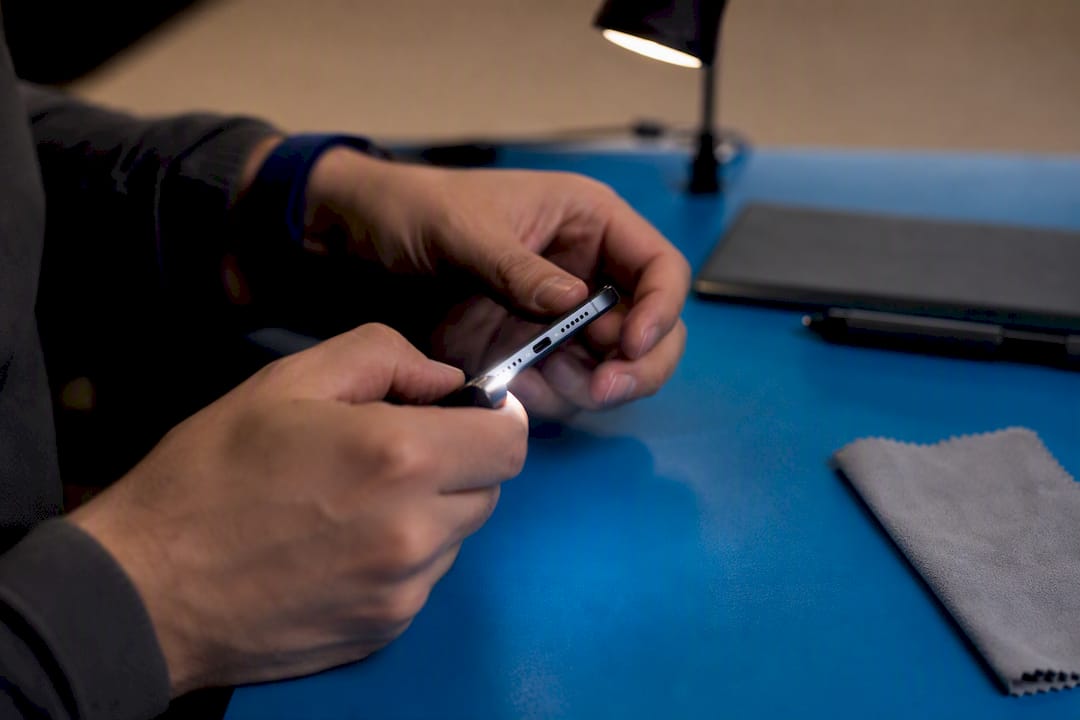
Once the phone arrives, test it immediately: calls, cameras, charging, Wi-Fi, and Bluetooth, all in the first day or two. Reporting a problem inside the return window is far easier than fighting a warranty claim three weeks later.
What Will You Pay After the Warranty Ends?
Battery replacement is the single most common expense once a refurbished phone’s warranty runs out, and often the most urgent one. Batteries are the component most likely to need attention after 90 days, especially on phones that were already a generation or two old at purchase. That’s why asking about battery-replacement thresholds before you buy matters more than almost any other question on the checklist above.
Budget for the smaller stuff too:
- A replacement charger or cable if one wasn’t included, typically a modest cost but easy to overlook when comparing sticker prices.
- Screen repair if the phone takes a drop, which tends to run higher than most buyers expect on newer flagship models.
- An extended protection plan or a separate repair plan if you’re keeping the device past year one and didn’t buy a manufacturer-backed unit.
If the phone is a higher-value model or one you plan to keep for years, pricing in a battery swap now is smarter than treating it as a surprise later.
Why Device Giant’s 90-Day Warranty Actually Holds Up
Every phone Device Giant sells goes through a documented 25-point TrueGrade inspection before it’s listed, covering the exact functional checks that determine whether a 90-day warranty means something or is just a line in the fine print. That includes battery performance, charging, cameras, buttons, sensors, and ports, with the results reflected in a disclosed cosmetic grade from A to D so you know exactly what condition you’re buying, not a guess.
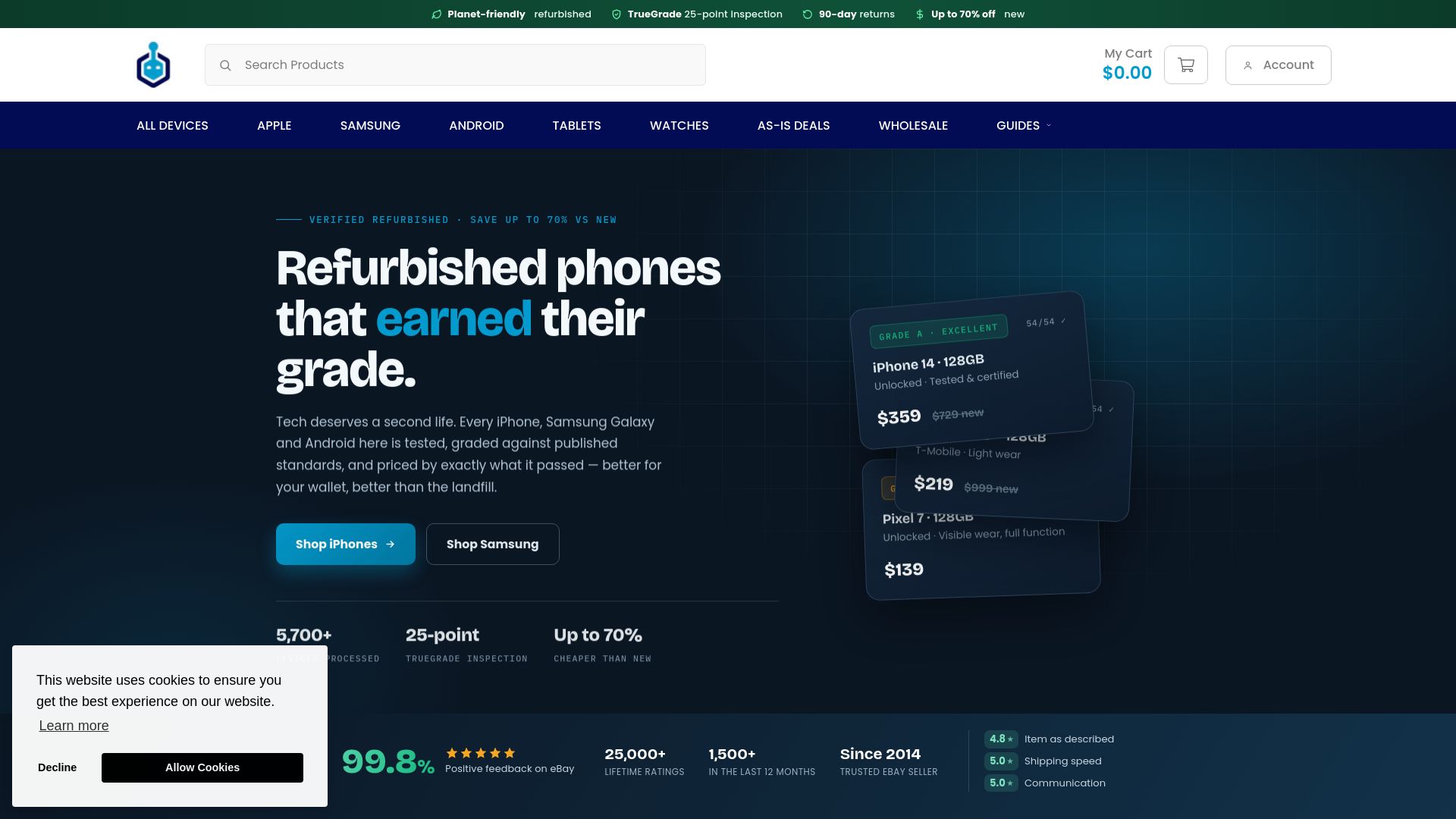
That combination, transparent grading plus a track record, is exactly what the checklist above tells you to look for in any refurbished seller.
Device Giant works well for cost-conscious buyers who want a functional, verified phone without paying flagship prices, and for eco-minded shoppers who’d rather extend a device’s life than send another phone to a landfill. Small business owners and resellers buying in bulk get the same inspection standard applied consistently across a lot, not just a single unit. If you’re ready to compare graded, warrantied devices against your budget, browse current refurbished phones and check the listed grade and battery notes before you check out.
A Buyer’s-Eye View on the 90-Day Standard
Most of the risk in refurbished buying doesn’t come from the warranty length itself. It comes from sellers who use a long return window to mask a short, vague warranty, hoping the device passes a quick check but never gets tested against real long-term use. A documented inspection process and honest grading tell you more than any number of days ever will.
Device Giant’s TrueGrade checklist and disclosed grading exist because that transparency is what actually earns repeat buyers, not just first-time ones. If something does go wrong, save your warranty language and receipt, and contact support the moment you notice an issue rather than waiting.
— Saad
Should You Buy That Refurbished Phone With a 90-Day Warranty?
A 90-day refurbished warranty is a safe purchase when it’s paired with documented inspection, disclosed grading, and a seller with a verifiable track record, but not when any of those three are missing.
| Point | Details |
|---|---|
| 90 days is the floor | Treat it as the minimum acceptable warranty, not a sign of full confidence in the device. |
| Coverage means functional defects | Expect repair, replacement, or refund for hardware failures, not cosmetic wear or user damage. |
| Returns and warranties differ | Confirm both windows separately; returns cover remorse, warranties cover defects found later. |
| Battery is the real cost | Ask about replacement thresholds before buying to avoid a surprise expense after warranty expiration. |
| Device Giant backs its grading | TrueGrade’s 25-point inspection, A to D grading, and a 90-day return policy give buyers a documented standard to check against. |
Sources
- Should I Buy a Refurbished Smartphone?
- Guide To Buying Refurbished Phones 2026 Edition
- Google refurbished product limited warranty (support documentation)


