
From $60 to $278: Refurbished Phone Prices and 25 Point Inspection

Most refurbished phones usually save a significant percentage compared to the same model new, with prices varying depending on age, brand, and grade. Refurbished is a smart buy when the seller discloses battery health, offers a 90-day or longer warranty, and backs the device with a clear inspection process rather than a vague “refurbished” label.
TL;DR:
- Consumer Reports recommends staying within three generations; Apple and Samsung certified models often include battery and shell replacement plus a year of warranty coverage.
- Ask for exact battery health and replacement status; phones guaranteed around 80% health cost less upfront but may need a battery replacement sooner.
- A $150 discount can vanish with a $70 battery replacement, so compare total repair exposure and return protection rather than sticker prices alone.
- Before a marketplace purchase, request actual device photos, confirm activation lock removal, and check the IMEI or ESN for lost, stolen, or blacklisted status.
- A well inspected phone that is two or three years old handles calls, messaging, browsing, and most apps, but new models offer longer software support.
Table of Contents
- Price breakdown: what you’ll pay by device tier and condition
- What affects price: supply, age, battery health, and certification
- Where to buy and warranty: turning price into real cost
- Cost versus new: when refurbished actually wins
- Device Giant evidence: inspection, pricing, and buyer protections
- A quick verdict on buying refurbished in 2026
- Device Giant: inspected phones without the guesswork
- FAQ
- Sources
Price breakdown: what you’ll pay by device tier and condition
Shopping refurbished only pays off when you know what a fair price looks like for the tier you want. Entry-level refurbished phones, typically older Android models or iPhones several generations back, generally cost a relatively low amount. Expect a battery that holds less charge than new and a screen or body with light cosmetic wear unless the listing specifies a higher grade.
Midrange refurbished phones, like a two- or three-year-old flagship or a current midrange model, usually are priced moderately and offer a good balance of savings and usability while still running current software.
Recent flagship refurbished phones, such as an iPhone released in the last year or two, tend to maintain a higher price due to demand for near-new condition. These stay expensive because demand for near-new condition remains high and refurbishers pay more for trade-in stock, a dynamic Counterpoint Research ties to tariffs and new-device price increases tightening the supply of quality used inventory.
A few factors move the price within each band:
- Storage capacity: a 256GB model typically costs $30 to $60 more than the 128GB version of the same phone.
- Unlocked versus carrier-locked: unlocked devices usually command a premium because they work across any carrier.
- Cosmetic grade: a “like new” grade costs more than a device with visible scratches, even when the internals are identical.
- Included accessories: a phone bundled with original cables or a charger sits slightly higher than a bare unit.
What affects price: supply, age, battery health, and certification
A refurbished phone’s price tag reflects more than just the model name. Several forces push it up or down, and understanding them helps you judge whether a listing is a bargain or a risk.
- Macro supply pressure: when new-phone prices climb due to tariffs or component shortages, refurbished flagship prices often rise too, since refurbishers compete for the same limited pool of trade-in devices.
- Device age and software support: Consumer Reports recommends sticking to phones no more than three generations old, since older hardware eventually stops receiving operating system updates.
- Battery health disclosure: a phone sold with a new battery costs more upfront but avoids a near-term replacement; one sold at a guaranteed minimum health, commonly around 80%, is cheaper but may need a new battery sooner.
- Certification source: manufacturer-certified refurbished programs from Apple or Samsung typically replace batteries and outer shells and include a full year of warranty coverage, which explains their higher price compared to third-party refurbishers.
- Parts authenticity: third-party sellers vary widely in whether they use genuine manufacturer parts, which affects both durability and resale value.
Pro Tip: Ask any seller for the exact battery health percentage and whether the battery was replaced during refurbishment, not just a general “tested and working” claim.
Reading seller claims carefully matters here. A listing that says “fully inspected” without naming a checklist or standard tells you little. Look for sellers who publish their inspection criteria and battery policy upfront rather than burying it in fine print.
Where to buy and warranty: turning price into real cost

The sticker price only tells part of the story. A $200 phone with a 30-day warranty and no return window can cost more in the long run than a $250 phone backed by solid protections. Consumer Reports notes that manufacturer-refurbished programs often include a one-year warranty, while many independent retailers cap coverage at 90 days, a gap that materially changes your risk if something fails after the first month.
Before buying, especially from a marketplace listing, verify a few things directly with the seller:
- Actual photos of the device, not stock images, so you can judge real cosmetic condition, a practice the FTC recommends for any online secondhand purchase.
- Confirmation that activation lock has been removed and the device is ready to set up under a new account.
- IMEI or ESN check to confirm the phone isn’t reported lost, stolen, or carrier-blacklisted.
- Return window length and process, including who pays return shipping and whether a restocking fee applies.
- Whether the warranty is backed by the seller or a third-party plan, since the FTC warns that many add-on service contracts add cost without meaningful extra coverage.
A closer look at what typically comes with a refurbished phone and how return policies usually work can help you compare listings before you commit to one.
Cost versus new: when refurbished actually wins
Below that savings threshold, or without any return protection, the math gets shakier fast.
- Battery and warranty gaps erase savings quickly: a $150 discount disappears the moment you pay $70 out of pocket for a battery replacement six months in.
- Buying a newer refurbished model protects resale value: a two-year-old refurbished flagship holds value better down the line than a five-year-old budget phone.
- New still wins for longevity seekers: if you want the longest possible run of software updates or need the latest camera and performance specs, paying full price for a new release is often worth it.
- Refurbished wins for everyday use: calls, messaging, browsing, and most apps run fine on a well-inspected two- or three-year-old device at a fraction of the cost.
Device Giant evidence: inspection, pricing, and buyer protections
Every phone we sell goes through a 25-point functional check before it ever gets listed, covering everything from battery performance to charging ports, buttons, and screen response. That process is built to catch the kinds of hidden issues that turn a cheap listing into an expensive mistake.
Each listing carries a disclosed cosmetic grade and clear notes on whether a device is unlocked or carrier-specific, so you can weigh the price against the actual condition rather than guessing.
A refurbished phone’s real value shows up in what you don’t have to deal with later: no surprise battery swap, no fight over a return, no mystery about whether the device was ever reported lost.
You can see how this plays out in practice in our breakdown of what typically comes with a refurbished phone and in our notes on how the 25-point inspection works.
A quick verdict on buying refurbished in 2026
Refurbished makes sense for anyone who wants a capable phone without full retail price, as long as the listing discloses battery health, offers at least a 90-day warranty, and confirms activation lock removal. Verify those three things first, prefer certified programs when you can, and the savings hold up.
— Saad
Device Giant: inspected phones without the guesswork
We built our store around one idea: you shouldn’t have to gamble on a used phone’s condition.
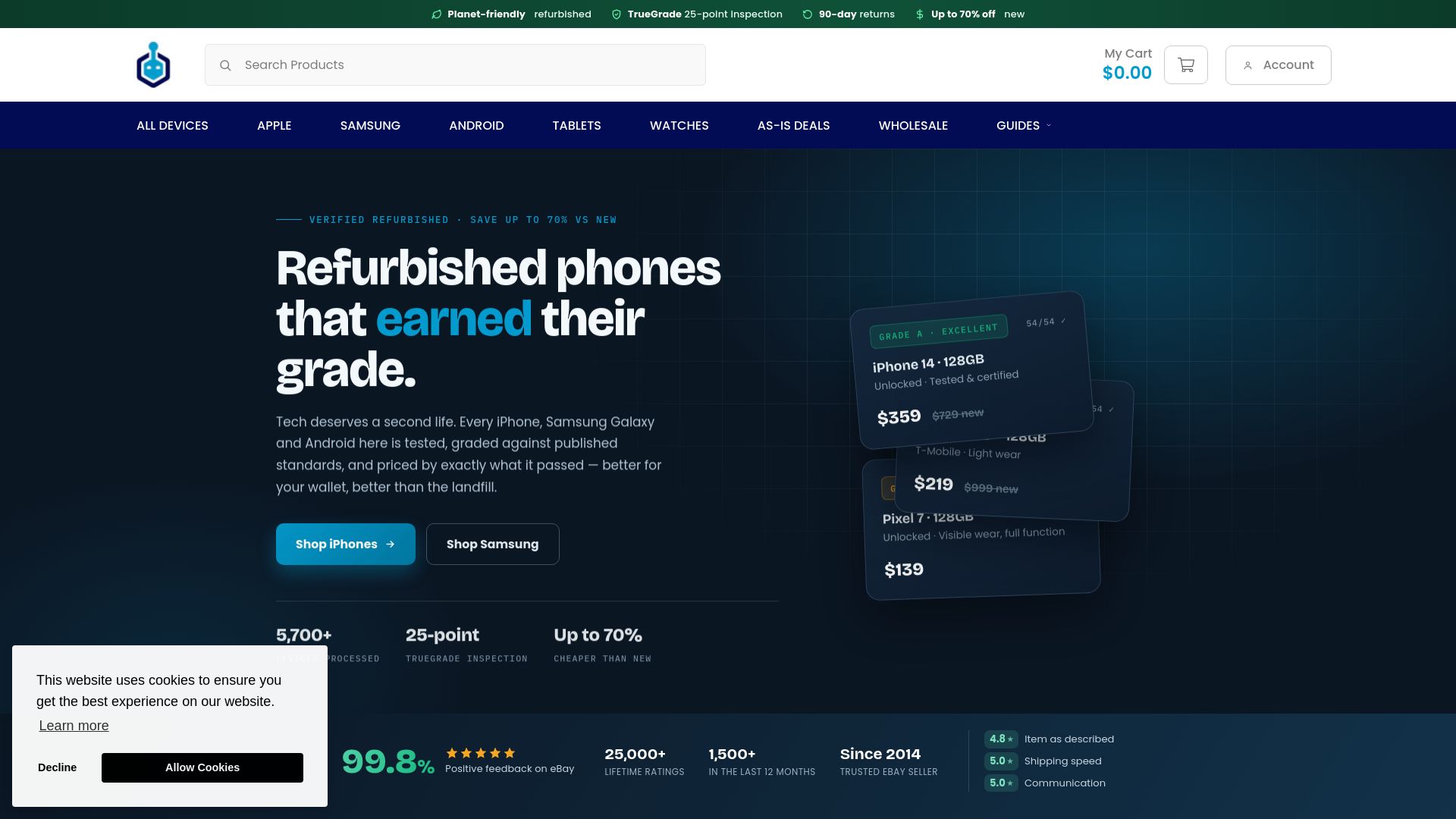
This setup fits price-conscious buyers who still want a disclosed grade and clear answers on battery health and carrier status, not just a low number on a listing page.
- Browse current inventory on the Device Giant homepage.
- Check a current example like the refurbished iPhone 15 in Pink, from $278.
- Compare midrange options such as the refurbished iPhone 14 in Purple, from $204.
If you want to research what a specific used model typically sells for elsewhere before you buy, a tool like Price×Point’s sold-price lookups can give you a sense of real market value across categories, even outside phones.
FAQ
Is it worth it to buy a refurbished phone?
Without those protections, a cheap price can turn into an expensive repair later.
What is the cheapest refurbished phone available?
Entry-level refurbished Android phones and older iPhone models typically start around $60, though battery condition and cosmetic wear are usually more noticeable at that price point. Checking the seller’s grading system before buying helps set realistic expectations.
Is it safe to buy a refurbished phone?
It’s generally safe when you buy from a seller that discloses a clear inspection process, confirms the IMEI or ESN is clean, and verifies activation lock has been removed. The FTC recommends checking these details before completing any purchase, whether from a retailer or an individual seller.
How long will a refurbished phone last?
A well-inspected refurbished phone with a healthy or replaced battery can last several more years of regular use, similar to a comparably aged new device. Sticking to models under about three years old, as Consumer Reports suggests, also helps ensure continued software support.
Sources
- Expert tips for buying secondhand products to save you money — Consumer Reports
- Should you buy a refurbished phone? — Consumer Reports
- Extended warranties and service contracts — FTC
- Counterpoint Conversations: B-stock tariffs impacting used smartphone market — Counterpoint Research

